
Where Do International Boarding School Students Stay During Breaks?

Quick answer
International boarding school students may spend breaks with family, school-approved friends or relatives, in a school-run program, or with a host family. Boarding school break homestays offer an option when a student cannot travel home and needs accommodation and adult support away from campus. Start by checking which arrangements your school permits and when its dorms close.
Once classes begin, it is easy to focus on the next assignment, the next phone call home, or how your child is settling in. Then a school email mentions Thanksgiving travel plans, and a new question becomes very real: Where will they go when the dorm closes?
For parents overseas, the answer needs to cover accommodation, transportation, a responsible adult, and communication. For students, it also needs to answer something more personal: Will I feel comfortable there?

Can international students stay on campus during school breaks?
Sometimes. However, policies differ by school and by break. Some schools keep dorms open for certain holidays or offer supervised programs; others require students to leave campus.
For example, San Domenico’s boarding information lists paid dorm stays for Thanksgiving, February, and spring breaks, while its dorms close for Christmas and summer. Your student’s school may have a different schedule.
Ask for the actual dorm departure and return times, the deadline for submitting plans, and any approval requirements. A flight itinerary alone will not cover a gap between the dorm closing and the student’s departure.
What are boarding school break homestays?
Boarding school break homestays are temporary stays in a host’s home while a student is away from campus. The details matter: who is responsible, what supervision is provided, which meals and activities are included, and how the student gets there and back.
Student Health Advocates (SHA) helps families arrange off-campus support with verified, vetted, background-checked guardians and chaperones. During a stay, communication keeps parents and the school informed. That practical foundation leaves room for students to enjoy the break itself.
Yuna’s story: nervous at first, then ready to return
Yuna, an exchange student from Japan, needed somewhere to stay during her school breaks. In her interview, she explains that she did not have someone who could host her, so she chose SHA’s homestay program.
Her first visit was for Thanksgiving. Before arriving, she was nervous because she did not know her host family well. What happened next changed how she felt about staying away from campus.
“But they welcomed me with love and joy.”
Yuna, describing her SHA homestay
She describes enjoying her stay and having the chance to experience American traditions. She enjoyed it enough to return for Christmas break.
For a parent choosing arrangements from another country, that return visit says something meaningful. Yuna had experienced the home and the people for herself, and wanted to come back.
Kazuma’s summer break: time away from school, well spent
Kazuma recently finished his summer break with SHA and had a wonderful time. His experience brings summer into the conversation, too: a longer break can be a chance to enjoy life in the U.S. with support in place.
That said, summer arrangements deserve their own conversation about dates, accommodation, activities, and coverage. Tell SHA what your student needs and enjoys, and ask which options are available for that particular stay.

Ian’s homestay: the memories parents notice
Ian’s parent shared another perspective on what a homestay can mean. In a testimonial published by SHA, S.C. Lim, a Pomfret School parent, thanked the host family for the care Ian received and wrote:
“Ian has made truly precious memories that I believe he will carry with him for the rest of his life.”
S.C. Lim, Pomfret School parent
That is the part parents hope for when making arrangements from afar: care they can trust and an experience their child will remember fondly.


Break moments with Jessica and the SHA community
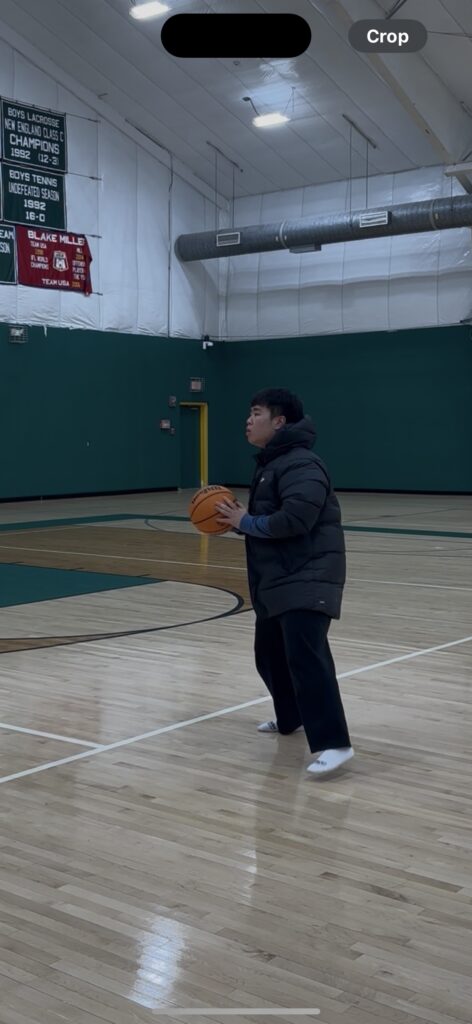
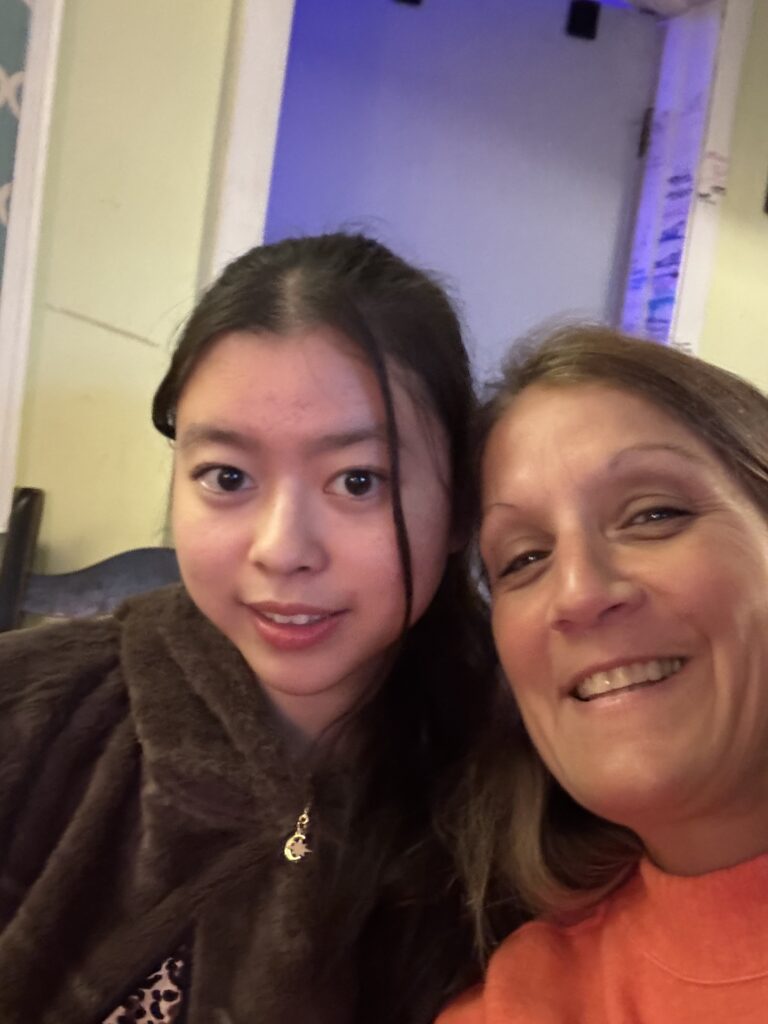
Jessica, one of SHA’s active chaperones, has been sharing photos of students enjoying their breaks. Those updates make the experience easier to picture: people spending time together, students getting out and about, and ordinary moments that become part of their time in the U.S.
The photos shared here include time relaxing at home, an ice-cream stop, and a first snowfall. A good break leaves space for both activity and downtime. Students should have a chance to talk about what they enjoy, what feels unfamiliar, and what would help them feel welcome.



Experiences vary with the host, student, season, and arrangements. The stories here show individual experiences, rather than a fixed itinerary for every stay.
Trusted support continues beyond accommodation
Parents need to know who can help while their student is away from school. SHA’s off-campus services include transportation and chaperone support for needs such as medical or dental appointments, as well as school-break arrangements.
Before a stay, confirm the pickup and return plan, the adult responsible for the student, and how updates will reach parents and the school. Also, share practical needs such as food preferences, allergies, language preferences, religious observances, and any arrangements that must be coordinated in advance.
If a student becomes unwell on campus, follow the school’s health-center and emergency procedures. SHA can coordinate additional off-campus support when needed. If a student is having a difficult time adjusting, keep the school’s residential and student-support staff involved as well.
What should parents confirm before booking boarding school break homestays?
- Dates: The school’s dorm closure, pickup, and return times.
- Accommodation: The address, sleeping arrangements, and responsible adult.
- Screening and supervision: How the host or chaperone is vetted and what supervision includes.
- Transportation: Who handles each journey and what happens if travel plans change.
- Communication: The contact details and update arrangements for parents and school staff.
- Costs and approval: What is included, what is billed separately, and what the school must approve.
In addition, involve your student in the conversation. Their questions may be simple: Will there be a pet? What will we do? Can I call home at my usual time? The answers can help a new place feel less unfamiliar.
For schools
For schools: help families plan boarding school break homestays
Admissions, international-student, residential-life, and health-center teams often hear the same questions about off-campus arrangements. A shared plan helps families understand what they need to confirm before a student leaves campus.
SHA works with families and schools to coordinate support beyond campus. School staff can direct families to SHA’s school information and confirm the arrangements required by their own school. Clear communication should identify who is handling accommodation, transportation, approvals, and updates.
Questions parents ask about boarding school break homestays
Can my child stay in the U.S. for Thanksgiving or winter break?
A homestay or another school-approved arrangement may be an option if your child will remain in the U.S. Confirm the school’s requirements, accommodation dates, supervision, and transportation before treating the plan as complete. Ask the school’s international-student office about any immigration or travel-document questions specific to your student.
How early should we arrange boarding school break homestays?
Start when the school calendar is available. Ask SHA about your student’s dates and complete the required arrangements before the school’s travel-plan deadline. Do not assume that a particular host or location will be available until the booking is confirmed.
Can students return to a host family they enjoyed?
Yuna returned after enjoying her first stay. If your student would like to return to a familiar host, tell SHA when planning the next break. The arrangement will depend on availability and the student’s needs.
Does SHA membership include the cost of holiday stays?
Planned non-emergency services, including break stays, are booked and purchased separately. Membership provides access to services and the emergency coverage described in the selected plan. Review current membership details and request a quote for your student’s stay.
What about spring and summer breaks?
Ask SHA about arrangements for the specific dates your student needs. Spring and summer stays may involve different lengths of stay and activities. Summer coverage should be confirmed separately from the school-year membership.
Make the next break something to look forward to
Your student’s next school break can begin with a clear plan and a familiar point of contact. For Yuna, that first stay became a place she wanted to return to. Kazuma enjoyed his summer with SHA. Ian’s parent saw memories that would last well beyond the visit.
Start with your school calendar, talk with your student, and let SHA help you explore boarding school break homestays as your next step.
Parents: Share your student’s school, break dates, and support needs with our team. You can send SHA a message in your preferred language.
School teams: Explore SHA support for your families.
Shhh… SHA’s Got This.